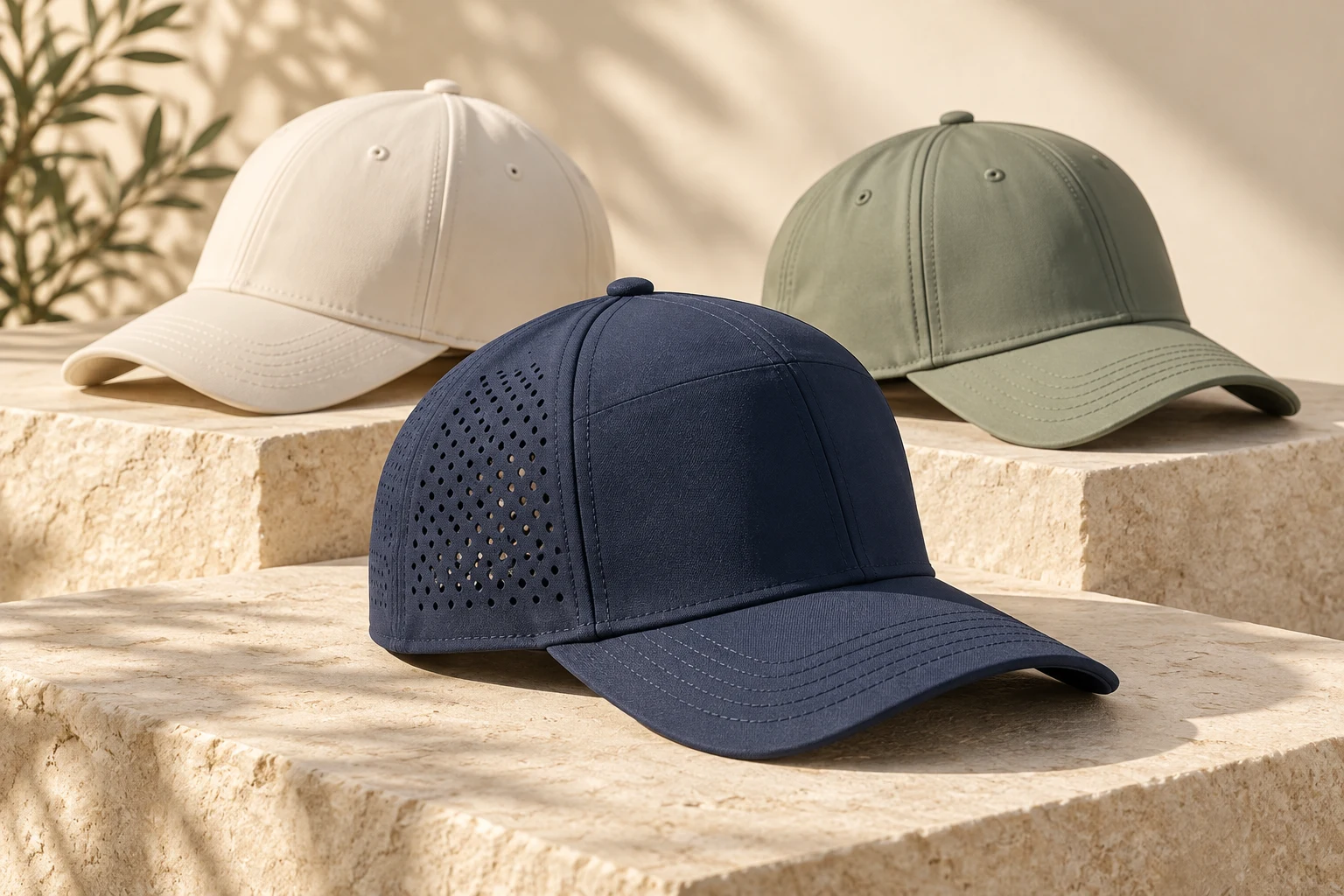
A custom cap order moves more smoothly when the approved sample and written specification describe the same product. Use the sample to assess fit, hand feel and appearance; use the specification to record what must stay consistent in production.
1. Make the first brief useful
Share your product direction, target customer, quantity per style and color, logo file and required arrival date. A reference cap is especially useful if fit matters. Tell the manufacturer what to preserve and what to change, instead of assuming the sample communicates every requirement.
Include packaging, testing and labeling needs at the beginning. These can affect cost, materials and schedule. If a destination retailer has a protocol, send the actual requirement before the order is priced.
2. Give the sample a defined review
Check the crown, visor, closure and adjustment range on the intended wearer. Measure using an agreed method. Review logo dimensions and position, color references, seam tape, lining and labels. Photographs help document changes, while a physical review is still valuable for fit and feel.
Group comments into one clear revision list. Identify the sample version and use dimensions or marked photos where possible. If a new fabric is introduced, review its effect on fit and decoration before assuming the previous approval still applies.
3. Lock the production reference
- Final style and color breakdown, with quantities.
- Approved sample and dated specification.
- Measurement methods and agreed tolerances.
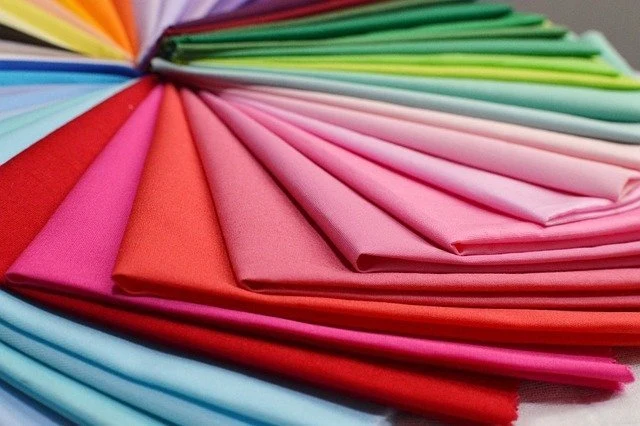
- Material and trim references.
- Logo files, technique, size and placement.
- Inspection, test and packing requirements.
- Payment terms and production milestones.
Changes after fabric is purchased, panels are cut or logos are completed may require rework or replacement materials. Confirm a change’s cost and schedule effect before releasing it to production.
4. Plan production and freight separately
For JoinTop’s standard custom caps, the normal planning basis is 20–25 days for samples and 40–45 days for bulk after the relevant approvals and payment. Special molds, materials, holidays and peak periods can require longer. The project quotation confirms the actual schedule.
Shipping is additional. Work backwards from the required arrival date and agree whether a milestone means factory completion, departure or delivery. Compare freight quotations on the same basis, including the destination and agreed responsibilities.
5. Keep the checkpoints visible
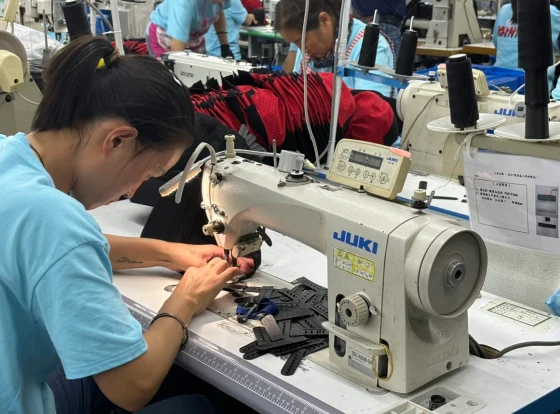
Agree when materials, production and finished goods will be reviewed. Ask how an issue will be recorded, corrected and checked again. Include packing in the final review: a cap that leaves the sewing line in good shape still needs protection in transit.
On receipt, compare the delivered order with the approved reference and record any concerns promptly. Keep the final specification and sample for replenishment, so the next order begins with the same definition.
Build your own project plan
JoinTop supports OEM and private label cap development with a shared sample-to-production process. See our quality assurance approach and MOQ and lead-time FAQs, or send your brief for a project-specific discussion.