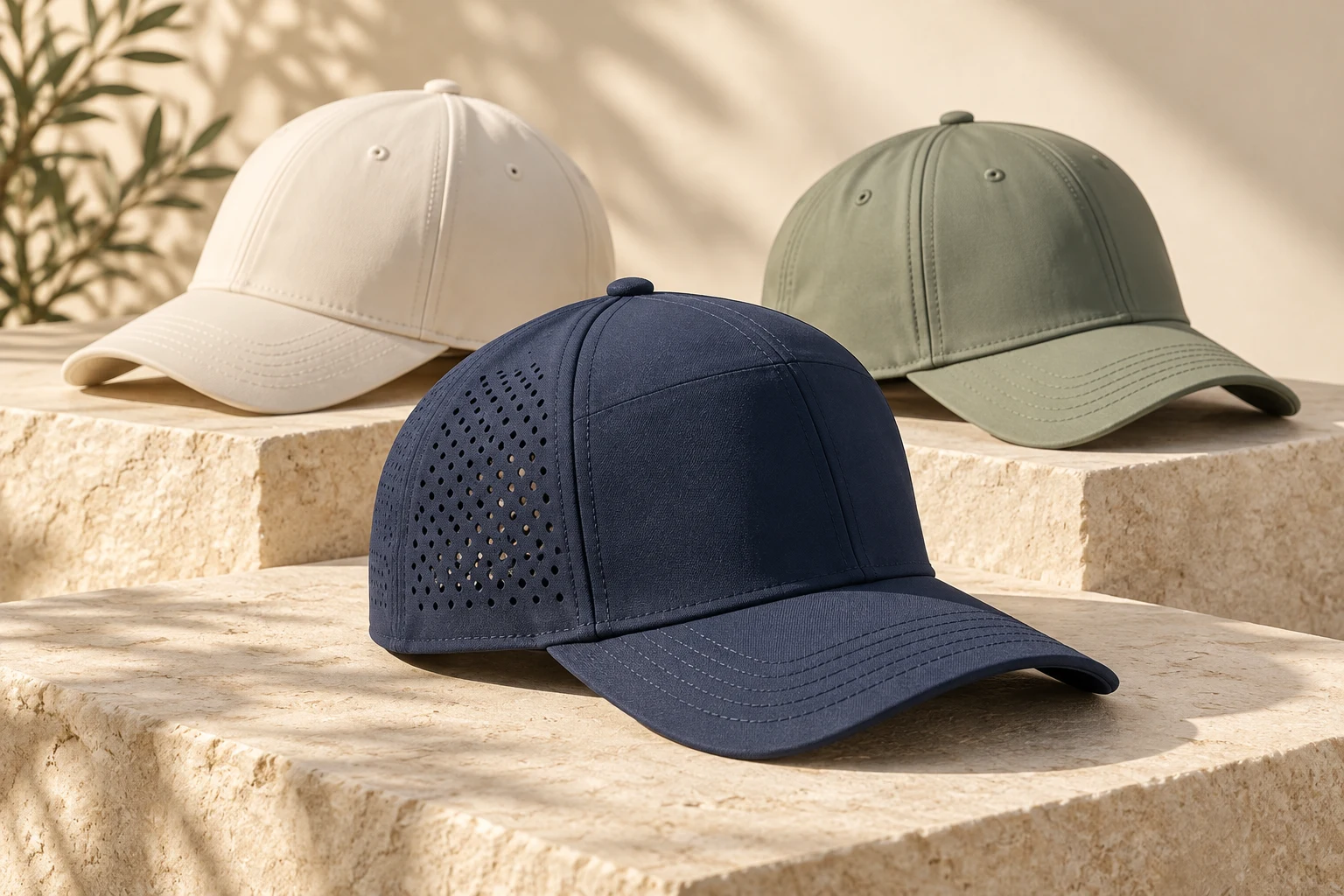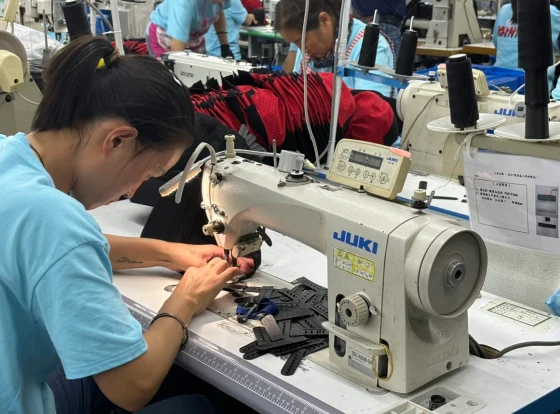
A useful performance-cap fabric brief describes the intended use, fit, desired feel and claims the brand plans to make. Fiber composition is a starting point; fabric construction, weight, finish and the rest of the cap also affect the result.
Define the wearer and the conditions
A running collection, a golf program and a lifestyle range may need different material priorities. Tell the manufacturer how the cap will be worn, the target market and whether you prefer a soft or more structured shape. Share the expected care method and any retailer requirements early.
Review shell fabric alongside the sweatband, reinforcement, lining and closure. A comfortable swatch does not guarantee a comfortable finished cap. Seams, backing and component thickness can change the experience on the head.
Keep performance properties distinct
Airflow, liquid moisture movement, drying and water repellency are different characteristics. Avoid using one broad term such as “breathable” as the only acceptance criterion. Decide which property matters and how you want it evaluated.
AATCC TM195 concerns liquid moisture management of textile fabrics. A result under that method should be read within its scope and conditions, rather than treated as proof of all-day comfort or every other performance attribute.
Ask what a performance claim covers
If a brand wants UV-protective labeling, first establish the evidence and the intended product claim. ASTM D6603 addresses labeling of UV-protective textiles using relevant UV-protection data. A fabric result should not automatically be extended to every finished cap design, especially where construction changes coverage.
Likewise, water-repellent fabric is not the same thing as a waterproof cap. Seams, perforations and other components can affect the finished product. For a PFAS-related requirement, specify the target market, the required documentation and the intended wording, then confirm the evidence for the material being ordered.
Compare physical swatches and samples
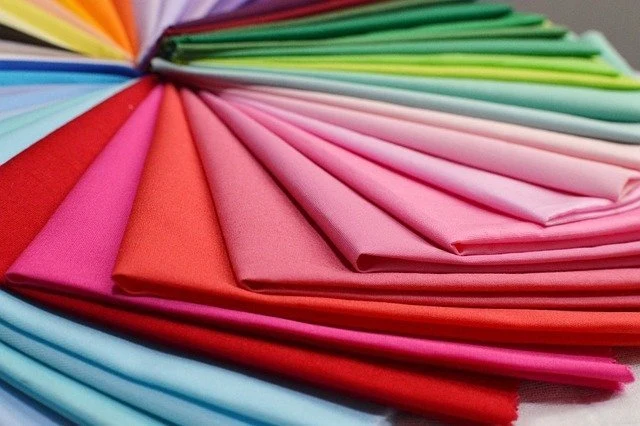
- Assess color and hand feel using actual swatches.
- Review stretch and recovery with the intended construction.
- Check how the selected logo technique affects the fabric.
- Agree relevant colorfastness and performance evaluations.
- Confirm whether the evidence applies to the chosen material, color and finish.
- Keep the approved swatch and cap sample as production references.
For repeats, check whether the fabric or finishing process has changed. A matching composition label does not by itself establish that two materials will perform identically.
Build the material choice into the schedule
Stock colors can simplify development, while custom dyeing and special components may introduce separate minimums and additional time. Confirm those constraints before promising a launch date. Allow time to review a revised sample if the material changes.
Explore JoinTop’s fabric and customization options and quality checkpoints. Share your intended use and the claims you need to support through our project enquiry form.